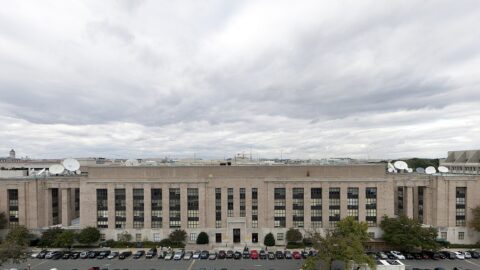

The week since the Federal Reserve held rates at 3.75 to 4.00 percent has been a week of reading between the lines. The decision itself, on October 28, was a 10-2 vote, with Lisa Cook and Beth Hammack dissenting in favour of a hike, and markets moved quickly to price roughly an 85 percent chance of a December increase. The hold was expected. The dissents were the signal, and the data due after the meeting, third quarter GDP, September PCE inflation and jobless claims, were the test of whether that signal would hold.
The business reaction has been measured rather than panicked. Borrowing costs stay where they are for now, but investment decisions made this quarter must assume a higher rate is likely by year end. That assumption affects inventory financing, hiring plans and capital spending, and it explains why equity markets reacted more to the dissents than to the hold. A hold with no dissent would have been read as comfort. A hold with two hawkish dissents was read as a warning, and warnings move markets even when rates do not move.
The data dashboard
Thursday’s data releases gave traders a full dashboard in a single session, followed hours later by a European Central Bank decision that set the global backdrop. Strong growth or stubborn inflation would reinforce the December pricing. Soft data would give the hold camp room to argue that patience is still justified. The Fed has insisted throughout this cycle that it is data dependent, and a week in which GDP, inflation, employment and a foreign central bank decision all arrive together is the purest test of that claim.
The ECB decision matters because rate differentials move capital. If Europe holds while America tightens, or tightens while America holds, the flow of money across the Atlantic shifts, and that shift affects exchange rates, bond yields and equity valuations on both sides. Traders therefore watch Frankfurt as closely as Washington in a week like this, and the two decisions together, rather than either alone, set the tone for the rest of the year.
December takes shape
By Friday, the shape of the December meeting was clearer, even if its outcome was not decided. The dissents showed that the internal debate has shifted toward tightening, the data will show whether the economy justifies that shift, and the market pricing, at roughly 85 percent for a hike, shows how traders have combined the two. The stock market updates for October 29 tracked the repricing as investors adjusted to the new odds.
For businesses, the practical message is to plan for a hike, hope for a hold, and watch the data. That is not the certainty companies want, but it is the clarity the Fed has given, and in a week of competing headlines, from Montreal to Milwaukee to the midterms, it is a useful anchor for decisions that cannot wait until December.