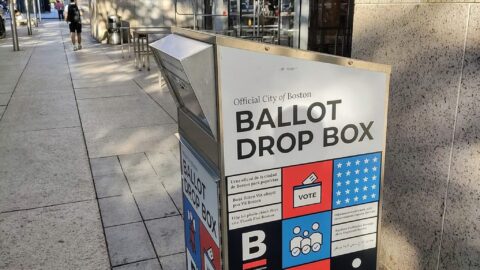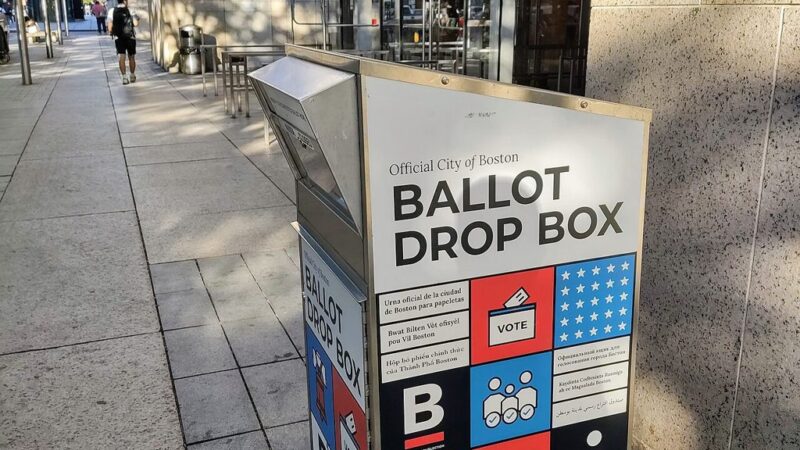
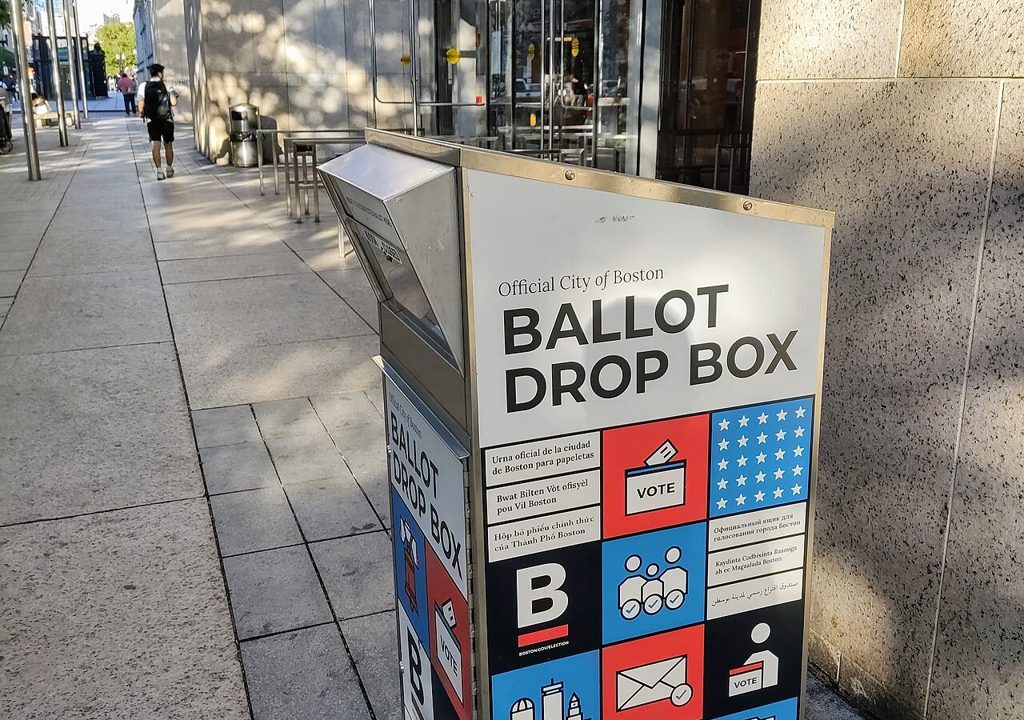
More than 18 million Americans had voted early by October 22, according to reporting of the midterm campaign, and that number reframes the final week of the election. The contest is no longer only about persuading undecided voters, because millions of voters have already made their choice and cast it. The United States will hold midterm elections on November 3, with all 435 House seats, 35 Senate seats and 39 governorships contested, along with thousands of state legislative and local offices, and the campaigns now face two electorates at once: the voters who have already voted, and the voters who still need to be turned out.
What early voting changes
Early voting changes the arithmetic of the final week because it locks in a portion of the electorate before late events can move it. A debate, a jobs report or a foreign policy announcement in the final days can still move voters who have not yet cast a ballot, but it cannot move the ballots already in the box. That is why campaigns in the final week shift resources toward turnout operations, ballot chasing and local organisation, rather than relying only on national messaging. Historically, the president’s party loses House seats in roughly 90 percent of midterm elections since 1946, though exceptions exist, and Trump has encouraged voters to view the election as a referendum on his performance, a framing that tends to raise turnout among both supporters and opponents.
What voters say matters most
The cost of living ranks as a top concern in polling, with Democrats emphasising affordability regarding food, housing, fuel and healthcare, while immigration remains significant, with some observers noting that enforcement policy may affect the president’s gains with Latino voters from 2024. Abortion rights, voting rules, tariffs and trade policy also feature prominently, and election integrity remains a focus of scrutiny, from voter registration procedures to result certification. Democrats need a net gain of four House seats to take control and four Senate seats to secure a majority, while Republicans are working to preserve their current advantage. With so many ballots already cast, the final week’s persuasion will matter at the margins, but the larger prize is turnout: getting the voters who agree with you, but have not yet voted, to actually do so.