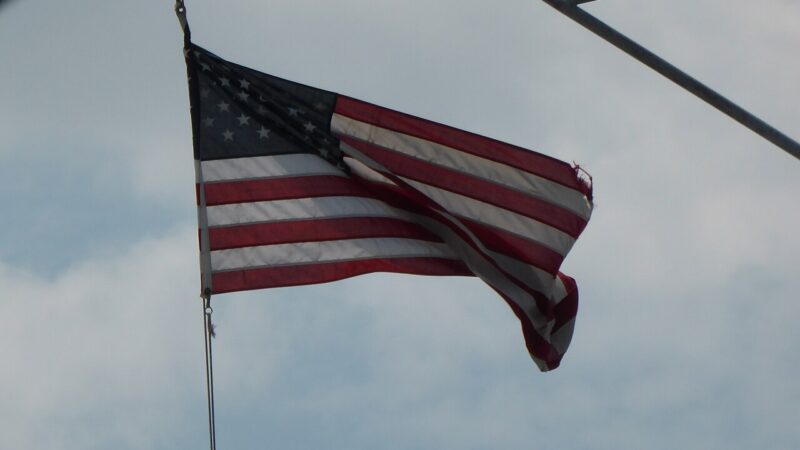
President Donald Trump signed a presidential proclamation on Thursday afternoon that established the Oval Office as a national monument under the Antiquities Act, with the Cabinet Room included in the designation. The move, announced the day after his party lost both chambers of Congress in the midterm elections, places two of the most symbolically charged rooms in American government under a legal protection normally reserved for landscapes, ruins and historic sites. The Oval Office, the working office of every president since 1909, has never before been declared a monument in this way.
Why it matters
The Antiquities Act gives a president broad authority to protect places of historic or scientific interest, and it has been used for more than a century to preserve canyons, forests, battlefields and archaeological sites. Its use for rooms inside a working White House is without precedent, and it raises questions that lawyers will debate for months. A national monument designation ordinarily restricts what can be changed about a place, and the proclamation appears designed to lock in the president vision for the rooms, including the renovations he has pursued, against changes by a successor.
The timing is impossible to ignore. The proclamation came on the same day that the president showed reporters around the White House ballroom he is building, and two days after an election that stripped his party of its congressional majorities. In that context, the monument designation reads as a statement about legacy: a president who has lost the legislature is turning to the powers he still holds, and using them to shape the physical fabric of the presidency itself. Supporters will call it a proper recognition of history. Critics will call it an attempt to entrench a personal vision in law.
What happens next
The legal questions are real, and they will not be settled by the proclamation alone. A future president can revoke or modify a monument designation, as past presidents have done with land monuments, and a court could be asked to decide whether the Antiquities Act extends to rooms inside an occupied office building. The designation may therefore prove less durable than it appears, and its practical effect may be symbolic rather than legal. But symbolism is the point. The Oval Office is already the most famous room in American politics, and declaring it a monument makes that status a matter of law.
What happens next will be decided by lawyers, by historians, and by the next president. If the designation stands, it will become a curious footnote in the history of the Antiquities Act, and a precedent that future presidents may invoke for their own purposes. If it is revoked, it will become a footnote of a different kind: a measure of a president determination to leave a mark on the office itself, even as his political power ebbed. Either way, the rooms at the centre of American power have become, for the first time, monuments in their own right.