
Beyond the headline deals of the Montreal summit, the Canada-European Union agreement contains a set of longer term projects that will shape the partnership for years: a feasibility study on Canadian liquefied natural gas exports to Europe, groundwork for Canadian participation in the Erasmus youth exchange scheme, and preparation for joining the Galileo satellite programme. None of these will change trade figures next quarter, but together they show what an ever closer association could mean in practice.
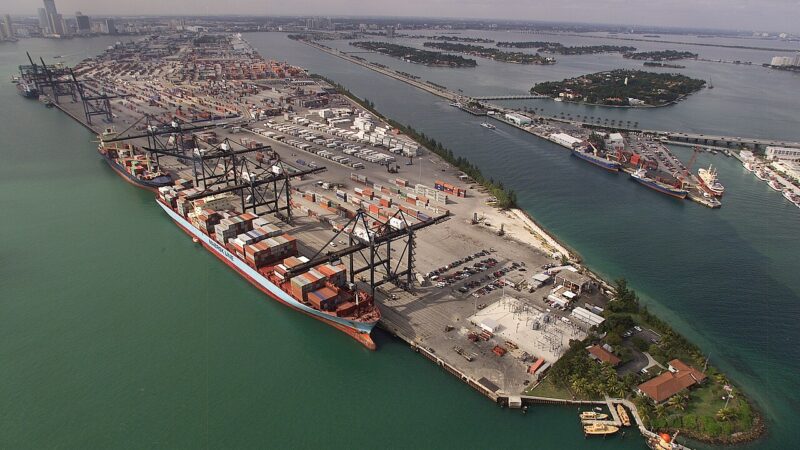
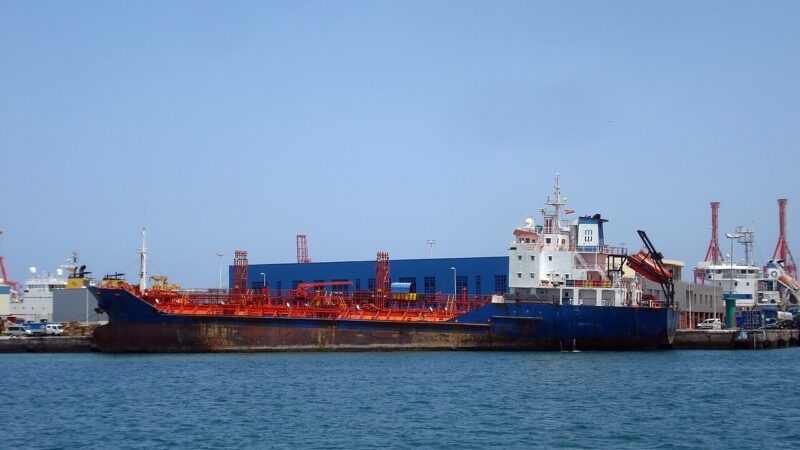
The liquefied natural gas study is the most commercially significant of the three. Both sides will commit to a long term feasibility study on exporting Canadian LNG to Europe, according to reports on the summit. Europe, seeking alternatives to Russian gas, has an interest in diverse suppliers, while Canada has gas resources and export ambitions but limited liquefaction and shipping capacity to Europe. A feasibility study does not build a terminal, but it creates the evidence base for investment decisions, including costs, routes, emissions and market demand.
The long term feasibility study sits alongside more immediate measures, such as the digital trade deal and critical minerals financing, and it illustrates the summit’s two speeds. Some measures are ready to implement, while others are studies, frameworks and invitations that will only become real if governments follow through. Critics have seized on that mix, arguing that the summit produced a slogan, a list of agreements and a timetable, rather than a clear description of what Canada would be joining.
People and satellites, not just pipelines
The Erasmus and Galileo groundwork points in a different direction: people and technology rather than energy. Erasmus would let Canadian university students spend a semester in Europe, building the personal and professional networks that sustain a partnership beyond government. Galileo, Europe’s satellite navigation programme and an alternative to the American Global Positioning System, would give Canada a stake in navigation infrastructure that underpins transport, agriculture and emergency services.
Both ideas are at an early stage, described in summit reporting as groundwork rather than membership. That caution is honest: student exchange and satellite programmes involve funding, standards and security arrangements that cannot be settled in a two day summit. Their inclusion in the summit package matters because it signals intent, and because intent, once published, creates expectations that future governments will be asked to meet.
The 2027 deadline
All three projects feed into the 2027 summit, by which time the phrase ever closer association is supposed to be defined. By then, Canadians will be able to judge whether the LNG study produced a project, whether Erasmus groundwork produced exchanges, and whether Galileo preparation produced participation. The Montreal summit’s longer term projects are therefore a promise with a date attached, and the date is what makes them worth watching.