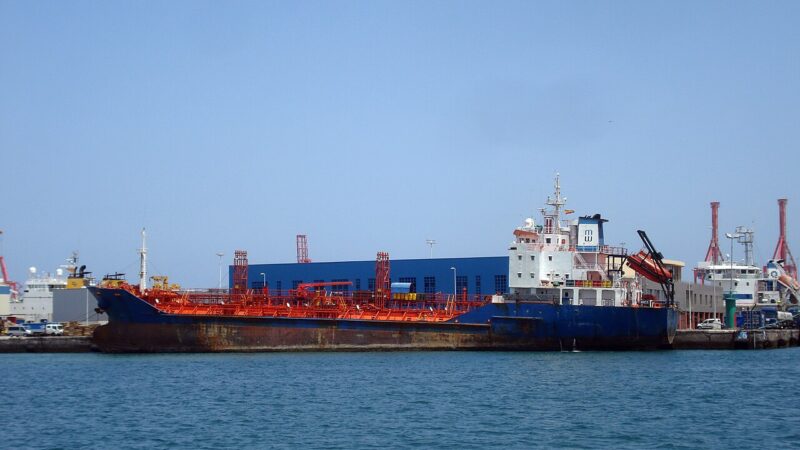
The United States imposed a fresh round of sanctions this week targeting individuals, networks and 17 vessels accused of transporting Iranian crude oil, petroleum products and petrochemicals, according to reports. The measures tighten the economic squeeze on Tehran in the eighth month of a war that has repeatedly threatened the world’s most important oil route.
The sanctions were announced the same week Washington signalled it would hold off on new military strikes before the midterm elections, a pairing that has become the administration’s pattern: diplomacy and de-escalation in public, financial pressure in parallel. Secretary of State Marco Rubio said this week that Iran had lost control of the Strait of Hormuz and described its economy as being in freefall.
Designations of this kind work by cutting listed people and ships out of the dollar-based financial system and deterring insurers, ports and buyers from handling their cargoes. The vessel lists matter most: each named tanker becomes harder to insure, flag and unload, which raises the cost of moving sanctioned oil even where buyers remain willing.
Tehran, according to reports, is reviewing an American response to its proposal for reopening the strait within seven days inside a wider settlement. Until any agreement is implemented, however, the sanctions architecture keeps growing, and each new designation further fragments the shadow fleet that has kept Iranian barrels moving.
For energy markets, the combined signal is volatility without closure. Crude eased on the strike pause but remains elevated, freight rates are high, and American fuel costs continue to import a conflict thousands of miles away into every fill-up, delivery route and winter heating bill.
Sanctions specialists note that vessel designations work cumulatively: each round shrinks the pool of ships willing to load Iranian cargo, raises the freight premium on those that will, and widens the discount Tehran must offer its remaining buyers. That arithmetic, applied patiently over an eighth month of conflict, is its own form of pressure, quieter than airstrikes and, its designers argue, harder for Iran to answer.
US News Zone will continue to follow this story as further official information is confirmed.
Reporting on this story is continuing.
Related reading: Tariffs Pushed U.S. Goods Prices Higher by Nearly Three Points, New York Fed Finds · U.S. Judge Widens Tariff Refund Fight as Importers Seek Their Money Back · Hormuz Traffic Keeps Moving as Washington and Tehran Trade Claims Over the Strait