Oil prices eased on Friday after the White House signalled that the United States would not launch new attacks on Iran before next month’s midterm elections, according to reports from the region. Brent crude slipped toward $103 a barrel in early trading, while the main U.S. benchmark moved below $91, as traders weighed calmer supply fears against a week in which attacks on shipping had pushed prices sharply higher.
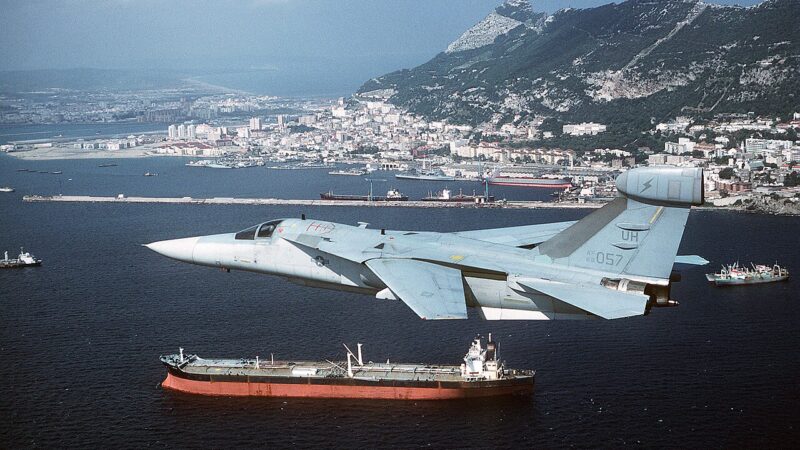
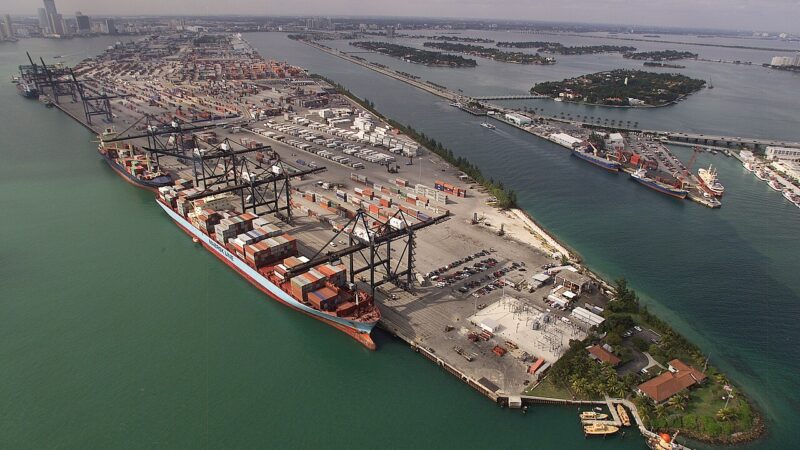
The change in tone followed days of rising tension around Gulf shipping lanes. Earlier in the week, crude had jumped more than 4 percent in a single session after vessels carrying oil out of the Middle East came under attack, reviving fears that the long-running conflict could choke off a route that, before the war, carried roughly a fifth of the world’s oil and fuel shipments.
According to reports, the president said Washington was having productive discussions with Tehran and pointed to record volumes of crude still moving through the Strait of Hormuz. Iranian officials, for their part, were reported to be reviewing an American response to a proposal that would reopen the strait fully within seven days as part of a wider settlement.
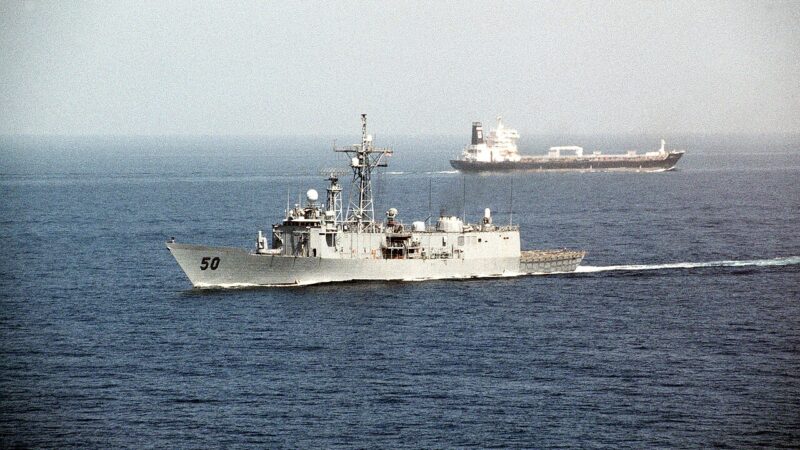
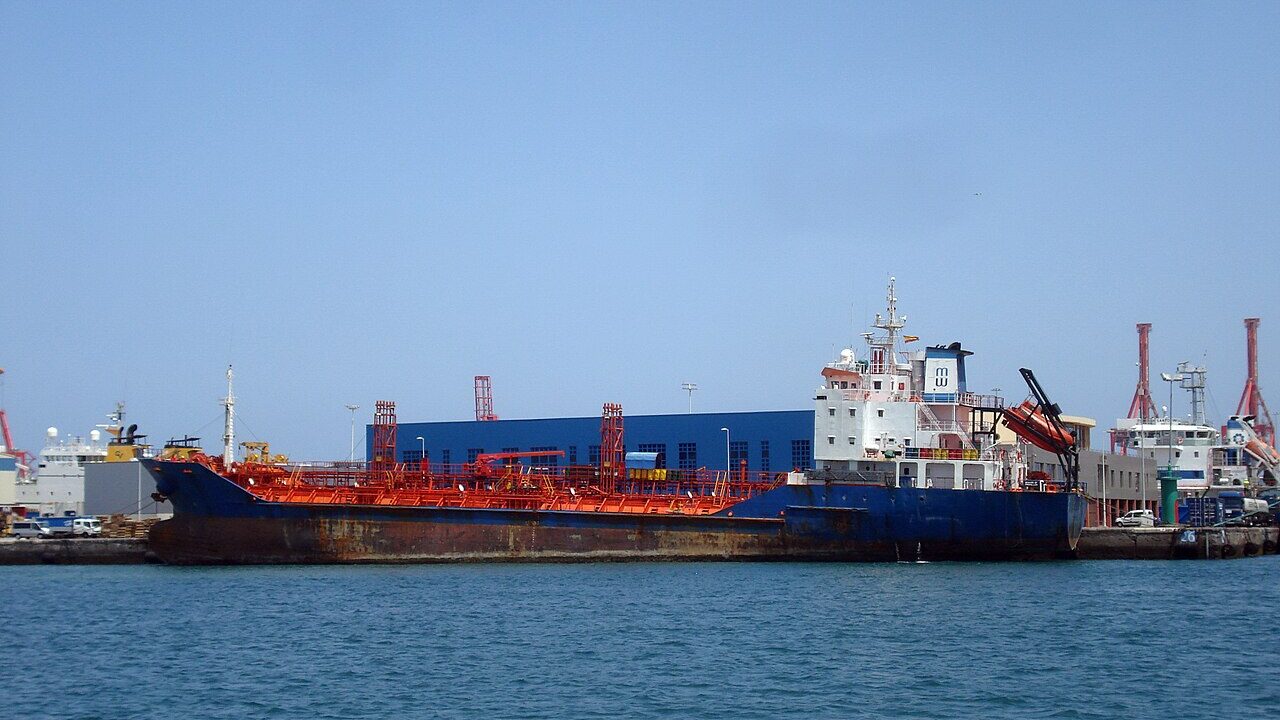
The calm may prove fragile. The United States this week imposed fresh sanctions on individuals, networks and 17 vessels accused of moving Iranian crude, oil products and petrochemicals, keeping economic pressure on Tehran even as military action is paused. Traders said that combination, diplomacy in public and sanctions in parallel, leaves prices exposed to the next headline.
For American households, the stakes are direct. Diesel and gasoline prices have been among the most visible costs of the conflict, feeding into grocery, freight and travel prices nationwide. An eighth month of war, punctuated by pauses like this one, means the energy line in the family budget is likely to stay unsettled into the winter, whichever way the talks move next.
What happens next depends on whether the pause in strikes becomes a negotiating track with dates attached, or simply a quieter week in an eighth-month war. Energy traders will watch tanker movements and insurance rates through the strait, which have signalled risk faster than official statements all autumn, and American drivers will feel the answer at the pump long before any communiqué reaches them.
US News Zone will continue to follow this story as further official information is confirmed.
Related reading: Fresh U.S. Sanctions Target Networks and 17 Vessels Moving Iranian Oil · Tariffs Pushed U.S. Goods Prices Higher by Nearly Three Points, New York Fed Finds · U.S. Judge Widens Tariff Refund Fight as Importers Seek Their Money Back