
The Senate race in Mississippi, which President Trump won by 23 points just two years ago, was yet to be decided on Wednesday, with Democrat Scott Colom and Republican Senator Cindy Hyde-Smith separated by a razor thin margin. That single sentence contains the most surprising subplot of the midterm night. Mississippi was not supposed to be close, and a race that remains uncalled in a state with that recent presidential margin tells us something about the depth of the Democratic wave, even before the final votes are counted.
Why it matters
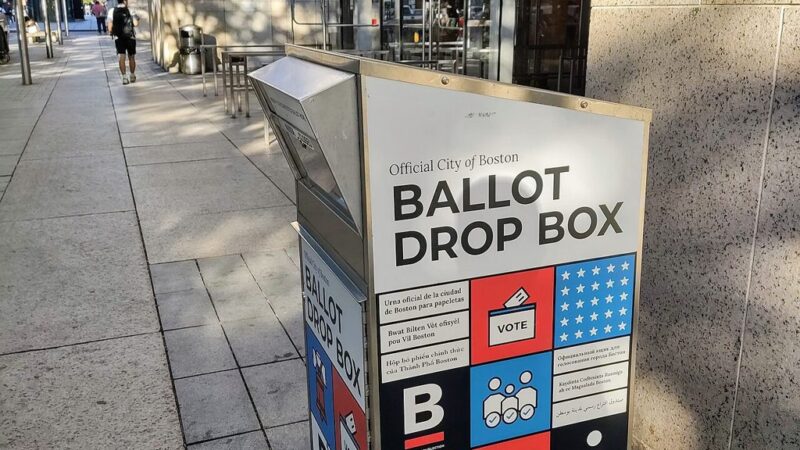
Uncalled does not mean tied, and it does not mean either candidate has won. It means that the votes counted so far, and the votes still to be counted, leave the outcome within a range where responsible outlets will not call it. Mail ballots, provisional ballots and late reporting counties can all move a close race, and Mississippi counting, like counting everywhere, follows procedures designed to be accurate rather than fast. Patience in this phase is not a failure of the system. It is the system working as intended.
The political significance does not depend on who ultimately wins, although the seat itself obviously matters for the Senate majority. If Colom wins, Democrats will have flipped a seat in one of the most Republican states in the country, a result that would reshape assumptions about where Democrats can compete. If Hyde-Smith holds on narrowly, Republicans will have survived in Mississippi by a margin that should alarm them, because a close call in a safe state is a warning about the next election, not a comfort.
What happens next
For Mississippi voters, the closeness also raises a local question that national coverage can miss. Senate races are often fought on national themes, but voters in Mississippi also weigh agriculture, health care access, infrastructure and the legacy of federal investment in the state. A close race suggests that those local concerns, combined with the national mood on prices and the war in Iran, produced a more competitive contest than the presidential margin predicted.
What happens next is procedural and undramatic, which is as it should be. Officials will count the remaining ballots, verify provisional votes and certify a result, and campaigns will have the right to challenge specific issues through legal channels if they believe the count is wrong. Until certification, the responsible description is uncalled and razor thin, and any claim of victory should be treated as campaign rhetoric rather than fact.