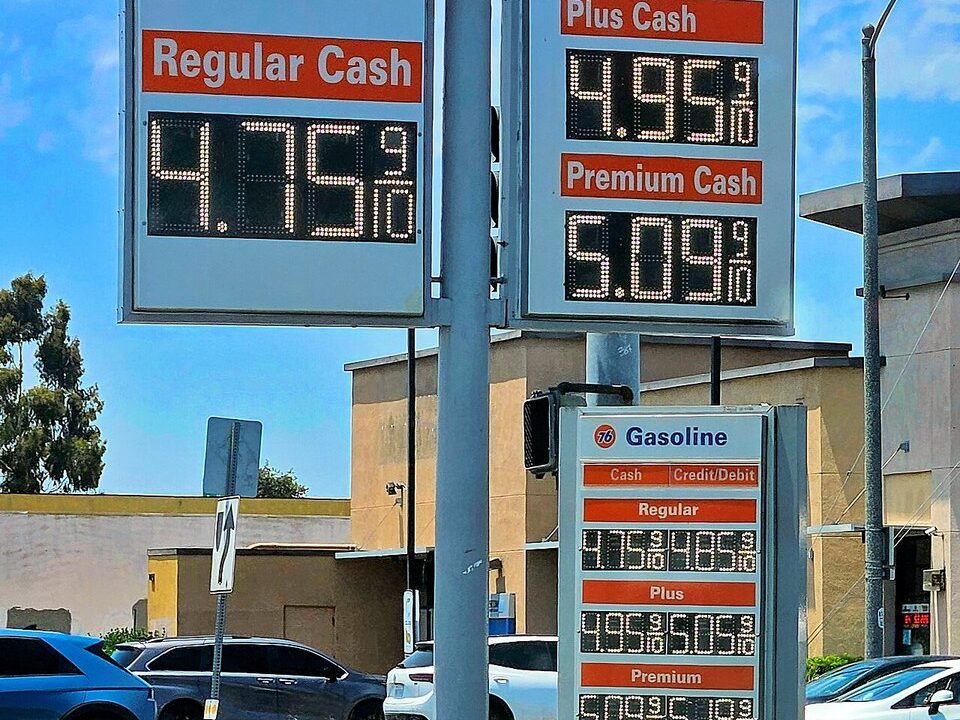
American households took it from both ends in September. Consumer prices rose 3.7 per cent from a year earlier, up from 3.4 per cent in August — and the wholesale prices businesses pay jumped even harder, with the Producer Price Index up 1.3 per cent on the month and 6.3 per cent on the year, the fastest annual pace since December 2022. Two hot inflation readings in two days, weeks before the midterms, have complicated the Federal Reserve’s next move.
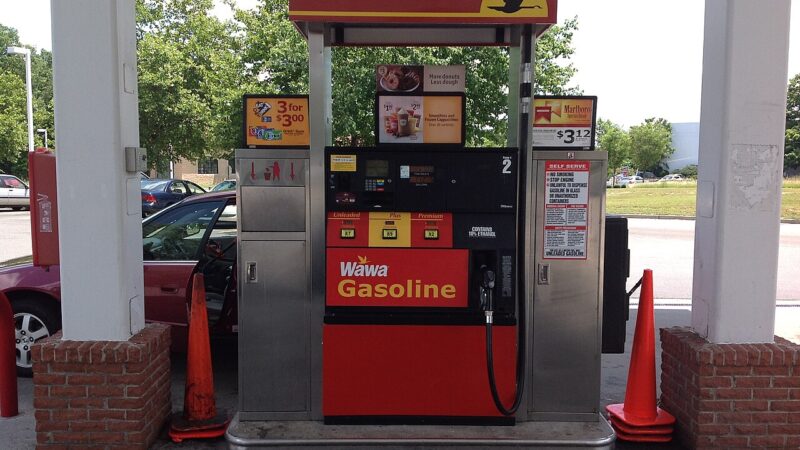
Energy did the most damage. Wholesale gasoline prices leapt 20.3 per cent in September, accounting for half the monthly increase in goods prices; prices of goods overall climbed 2.9 per cent, the largest monthly increase on record. But the pressure is spreading beyond the pump: core wholesale prices, stripping out food and energy, rose 0.7 per cent on the month — the fastest in five months — lifting the annual rate to 5 per cent, a sign inflation is broadening. Import prices tell the same story from the border: up 1.1 per cent in September and 8.1 per cent over twelve months, the largest annual increase since July 2022, with nonfuel import prices up 6 per cent on the year.
The paycheck is losing
Real weekly paychecks fell behind prices in September, the first decline since May. Diesel — the fuel behind long-haul trucking — averaged $6.32 a gallon nationally against $3.66 a year earlier, and transportation and warehousing costs rose 3.4 per cent on the month and 16 per cent on the year. As one economist noted, nearly every good travels by truck or rail, so freight costs seep into price tags far from the gas station. Shoppers have not stopped spending — retail sales rose 0.8 per cent in September — but gas stations accounted for a large share of that; excluding fuel, sales rose just 0.2 per cent, much of it higher prices rather than more purchases.
What the Fed does next
The Federal Reserve, which lifted its key rate to about 3.9 per cent in September, meets October 27-28. Most investors expect it to hold, with a possible increase in December; higher rates would, over time, raise the cost of mortgages, car loans and credit cards. Economists expect consumers to keep spending but more cautiously, leaning harder on savings and credit — a forecast that holds only as long as unemployment stays low and hiring does not slow further.