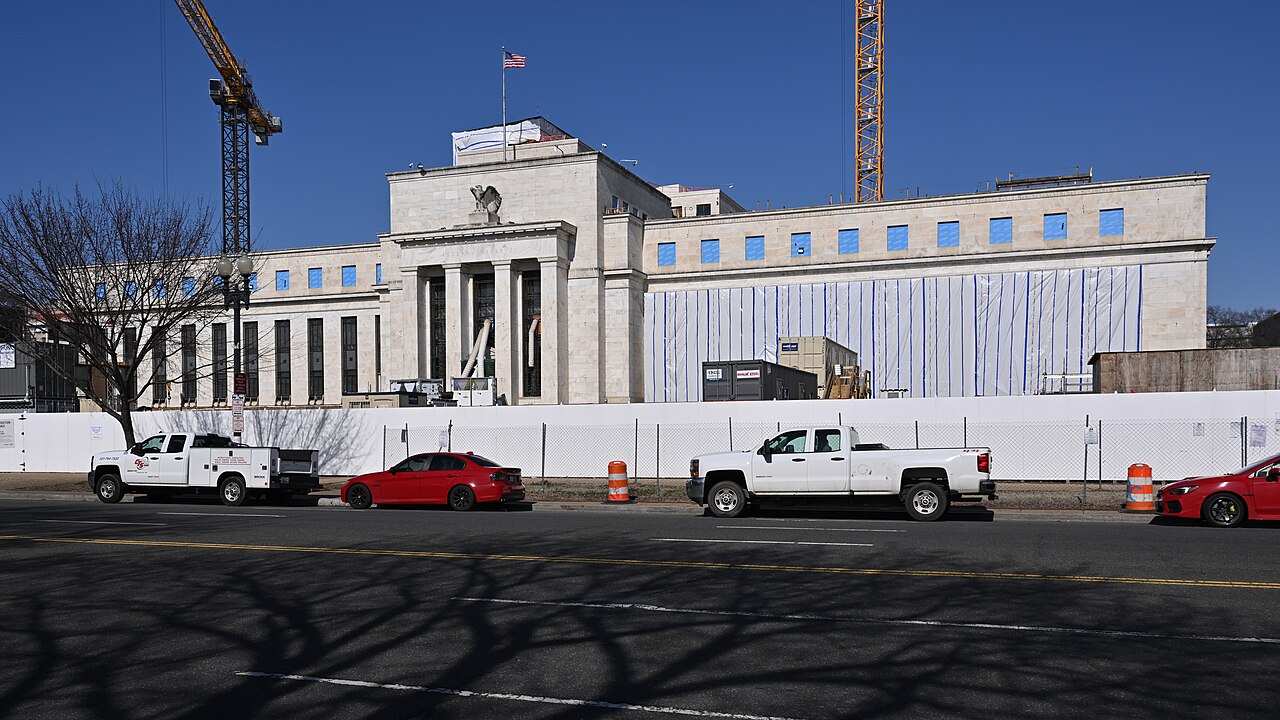
Minutes from the Federal Reserve’s September meeting, released October 7, showed a committee still focused on inflation even as its next move grows harder to call. The Fed raised its benchmark rate by a quarter point on September 16, to a range of 3.75 to 4.00 percent, its first increase in three years, in a unanimous 12-0 vote. Most participants, the minutes showed, thought another increase could be appropriate before year-end if inflation stays persistent, while emphasizing that future decisions depend on incoming data.
The September projections explain the mood: 17 of 18 participants judged risks to inflation as weighted to the upside, the median forecast for 2026 inflation was revised up, and not one participant still saw unemployment risks tilted upward. Growth forecasts rose too. A committee that fears inflation and no longer fears job losses is a committee inclined to tighten.
Markets, however, have moved the other way since. September’s weak jobs report, just 29,000 new positions, pulled the probability of an October hike down sharply: futures tracked by the CME put the odds of a hold at the October 27-28 meeting above 80 percent, with another increase seen as more likely in December, if at all. The 10-year Treasury yield, near 5.3 percent, has done much of the tightening either way.
Ahead, the calendar is the story: September inflation data lands October 14, the Fed decides October 28, and December brings fresh projections. Bond strategists surveyed still expect yields to decline over the coming months, though their confidence has weakened after a year of underestimating the rise.
For borrowers, the translation is already written: mortgage rates at three-year highs, credit costs elevated, and a central bank that has told markets, in writing, that it would rather risk one hike too many than declare victory over inflation too soon.
Business borrowers are planning around the uncertainty rather than waiting for it to resolve. Small-business surveys this autumn show optimism slipping even as hiring and investment plans, paradoxically, hold up, owners say the economy looks worse than their own order books feel. That split, pessimism about the macro picture, stubbornness about their own, is how economies glide through tightening cycles they were expected to crack under, until, occasionally, they do not.
US News Zone will continue to track the data behind this story as new figures are released.
Related reading: Holiday Forecasts Split: Record Online Sales, Smaller Household Budgets · Pending Home Sales Fall 8.5 Percent as Buyers Choose to Rent · Mortgage Rates Top 7 Percent and the Housing Freeze Deepens