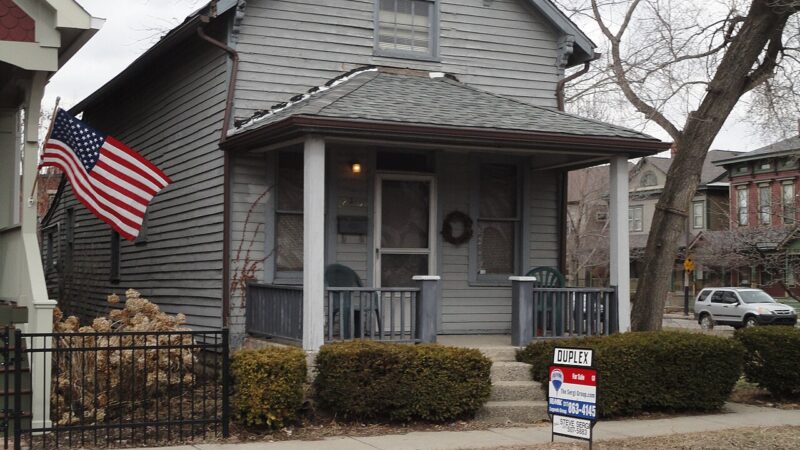

The average 30-year mortgage rate has climbed back above 7 percent, reaching its highest level in nearly three years and tightening the freeze on a housing market that never fully thawed. One weekly survey put the 30-year fixed rate at 7.4 percent as of October 8, up 1.1 percentage points from a year earlier, while daily trackers pegged it nearer 7.5 percent.
The drivers are familiar and stubborn: persistent inflation expectations, a broad bond-market selloff, and heavy government borrowing pushing long-term yields up. The 10-year Treasury yield, the anchor for mortgage pricing, has spent weeks at levels that make sub-6 percent mortgages arithmetically impossible.
The human effect runs through two doors. Buyers face monthly payments that exclude a vast share of first-time purchasers outright, while owners holding pandemic-era rates below 4 percent refuse to sell and give them up, a lock-in effect that keeps listings scarce even as demand fades. One Redfin analysis estimated that, on the best case, a normal market, defined by a return to a 30 percent rate-to-income ratio, is still more than two years away, and could be a decade away if conditions do not improve.
Lenders are adapting at the margins. Mortgage applications dipped about 1.5 percent in the latest MBA survey, purchase and refinance activity both fell, and the share of adjustable-rate loans rose to 9.8 percent as borrowers chased 5/1 ARM rates more than a point below fixed rates. Foreclosure filings, meanwhile, rose modestly but remain well below historical norms, according to ATTOM data cited in industry coverage.
For now, the market’s verdict on itself is patience: buyers waiting for rates, sellers waiting for buyers, and both waiting on the same inflation data that will decide whether 7 percent is a ceiling or a floor.
Housing economists stress that the market is frozen, not collapsing: prices are being held up by the same scarcity that high rates create, because owners who would sell at 5 percent mortgage rates will not move at 7. Foreclosure volumes, while rising, remain far below historical norms, and household balance sheets, for owners, are cushioned by years of equity. The pain is concentrated where it always concentrates, on the young, the renting and the recently divorced, the people for whom timing is not a choice.
US News Zone will continue to track the data behind this story as new figures are released.
Related reading: Holiday Forecasts Split: Record Online Sales, Smaller Household Budgets · Fed Minutes Show a Hawkish Committee and a Market Betting on a Pause · Pending Home Sales Fall 8.5 Percent as Buyers Choose to Rent