
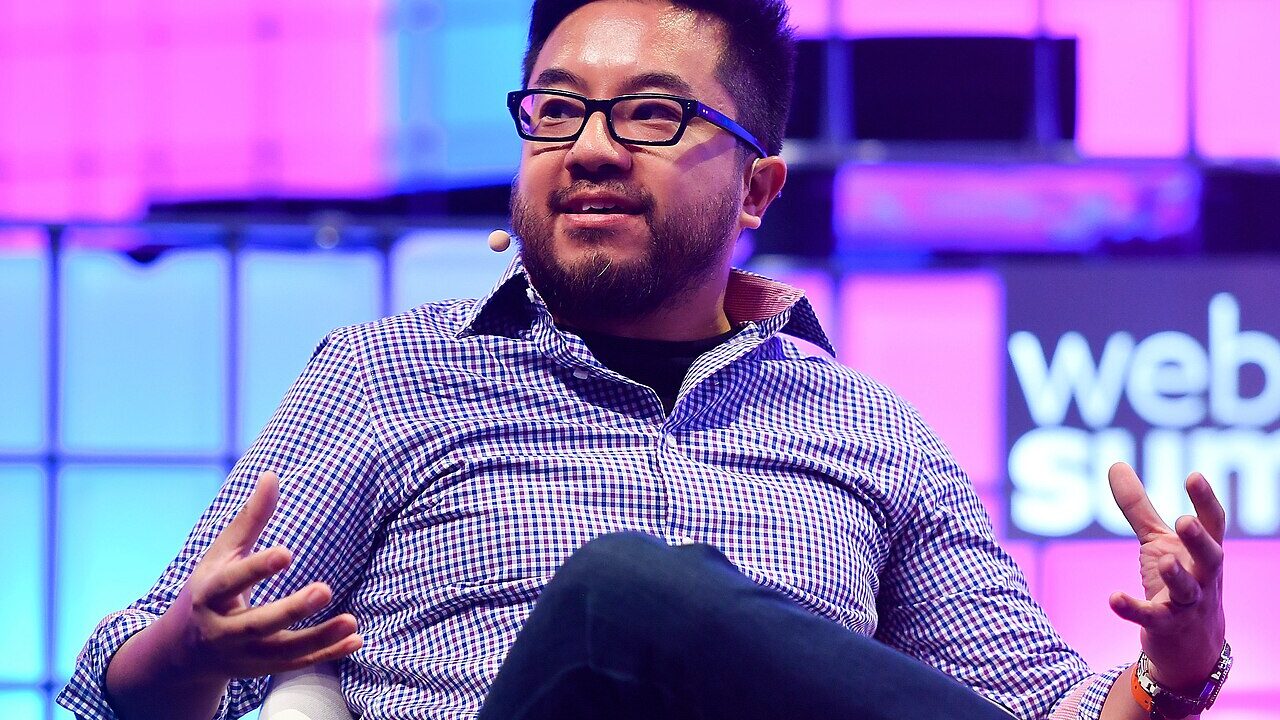
Y Combinator chief executive Garry Tan has argued that American open-weight AI labs should be free to “distill” frontier models, taking a contrarian stance in a heated debate over how smaller models learn from larger ones.
“I would do nothing,” Tan told CNBC when asked how regulators should respond to reports of Chinese labs extracting knowledge from American frontier models. He proposed what he called “an American distillation regime”. Speaking to TechCrunch, he elaborated: smaller American open-weight labs should be able to use the same training techniques on American frontier labs, giving the United States a more robust set of open-weight options that are not Chinese.
A split over enforcement
The comments land amid growing alarm over the practice. Distillation is the technique of extensively prompting a stronger model to learn how it reasons, then using those outputs to train a cheaper, smaller one — a method that is commonly and legitimately used across the industry. But Anthropic has released reports alleging that Chinese labs are engaged in “illicit distillation attacks”, hiding their identities and relying on fraud and stolen credentials. Its chief executive, Dario Amodei, has publicly called on United States regulators to crack down. Tan, who leads Silicon Valley’s most prominent startup accelerator, does not agree.
To be clear, Tan is not advocating the use of stolen credentials. He wants American labs to be free to, as he puts it, come in the front door. His argument is twofold: he sees it as overreach for AI labs to dictate what customers may do with information their models share, and he notes that the frontier labs themselves vacuumed up vast quantities of human knowledge — including copyrighted material — without asking permission when training their own systems. The full interview sets out his case in detail.
The ‘doomer’ scenario
“Controlling what users and customers do with API calls to closed weight models feels constraining,” Tan told TechCrunch, adding that access to intelligence trained on broad public data should be treated more as a public good than something locked behind restrictive terms of service. For him, the real nightmare is concentration: a single powerful, proprietary provider running away with the best capital and researchers. As AI assistants grow busier across the economy, the question of who gets to learn from whom is fast becoming one of the industry’s defining fights.