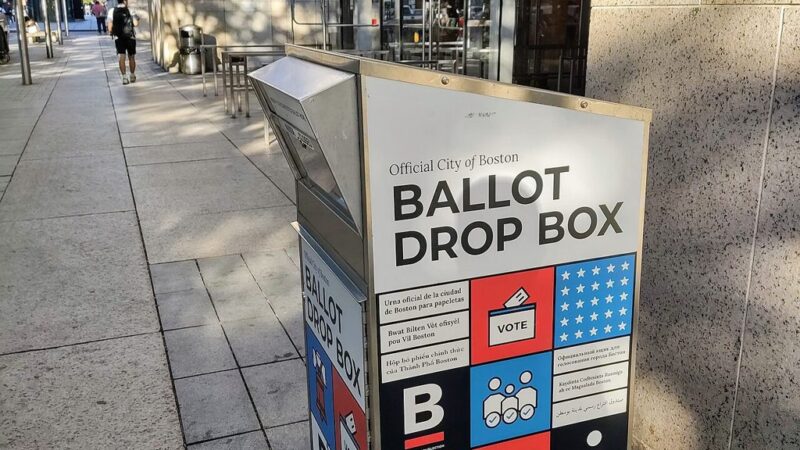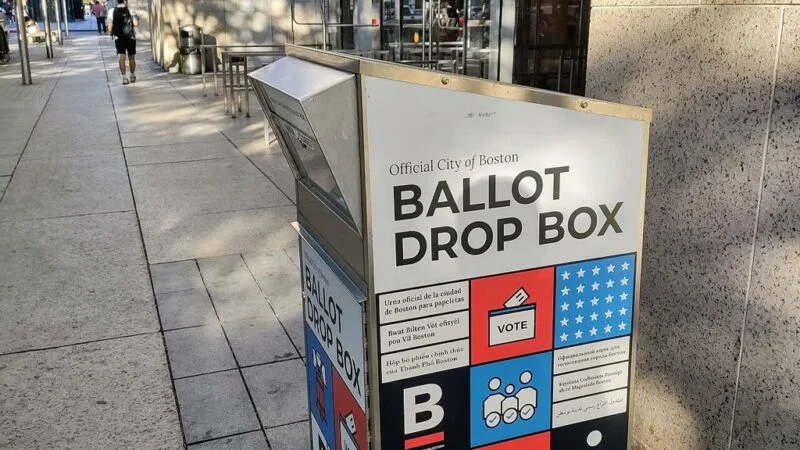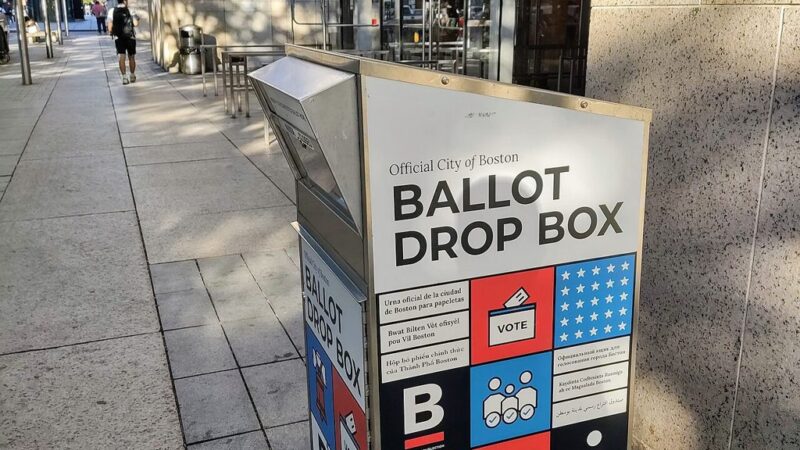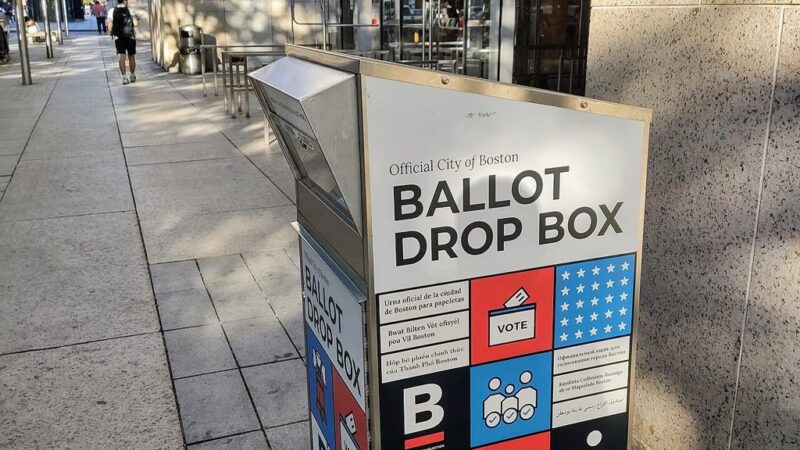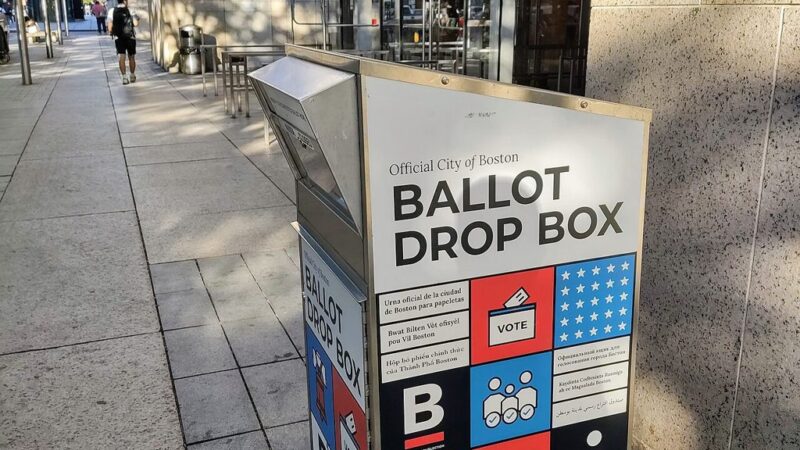
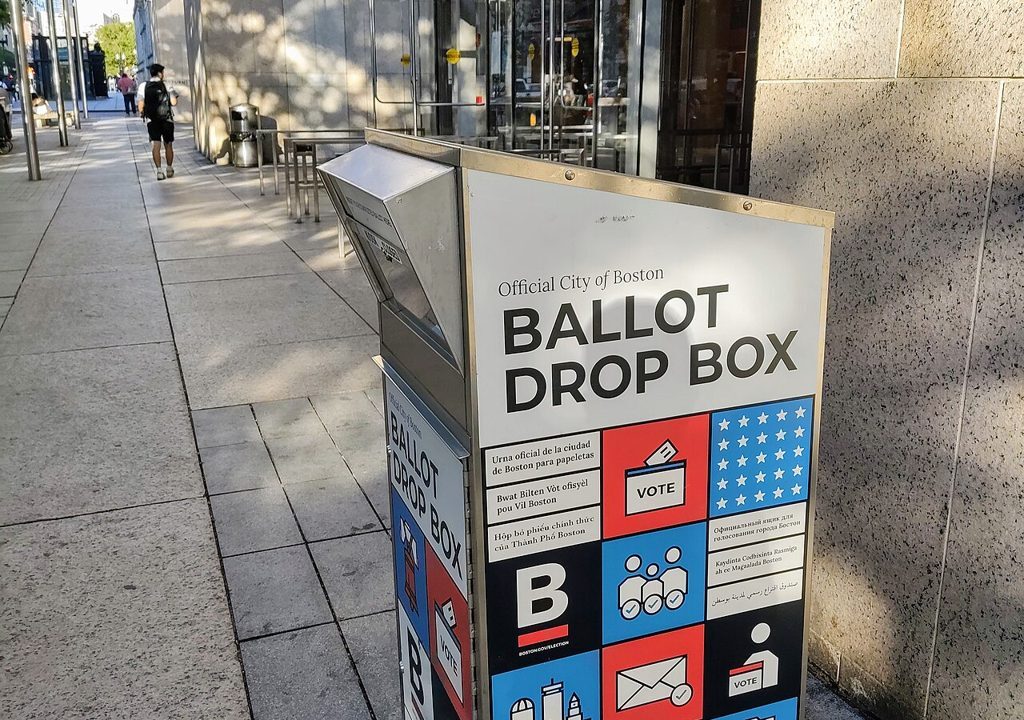
The early vote party split is the most misread number of the 2026 midterms, and it is worth reading correctly before Election Day. In the 25 states that report the party registration of early voters, registered Democrats have cast 41.9 percent of ballots, Republicans 32.0 percent and independents and third parties 26.1 percent, according to a tracker compiled from state and county election offices. Those figures describe who has voted early. They do not describe who will win, and the gap between those two statements is where most misreading happens.
Early voters differ systematically from Election Day voters. They lean older and more partisan, and their composition changes as the early period goes on, with different groups voting at different times. A lead in early ballots can therefore narrow, widen or reverse on Election Day itself, depending on who turns out then. The national total, 38,899,002 ballots across 47 reporting states as of October 29, with 19,091,360 mail ballots returned and 19,807,642 votes cast in person, tells us about turnout. The party split tells us about the early electorate. Neither tells us the result.
The 2022 comparison, honestly made
Comparisons with 2022 add context but also risk. Early voting is running ahead of the comparable pace from 2022 nationally, with Texas up 74 percent and Kansas more than doubled at the same point, according to an Associated Press analysis. Those increases are real, but they partly reflect a shift in when people vote, not only an increase in how many will vote overall. A voter who votes early in 2026 and voted on Election Day in 2022 is not a new voter. She is the same voter, voting earlier. Treating her as evidence of a surge in support for either party is a category error.
The early vote tracker makes the distinction explicit: party registration shows who has voted, not how they voted. That sentence should be attached to every chart that shows the split, because without it, a descriptive statistic becomes a prediction, and predictions based on early ballots have a poor record.
What to watch in the final five days
Three things will matter more than the current split. First, the return rate for the 29,545,133 mail ballots sent or requested and not yet returned, because those ballots, if returned, will change the composition of the early vote. Second, Election Day turnout itself, which will add a large, different electorate to the total. Third, the states that do not report party registration, where the party mix must be estimated from county results and demographics, and where uncertainty is therefore higher. The party gap is a useful description of the campaign so far. It is not a result, and anyone who presents it as one is selling certainty the data do not contain.