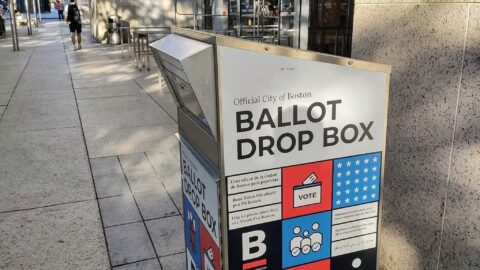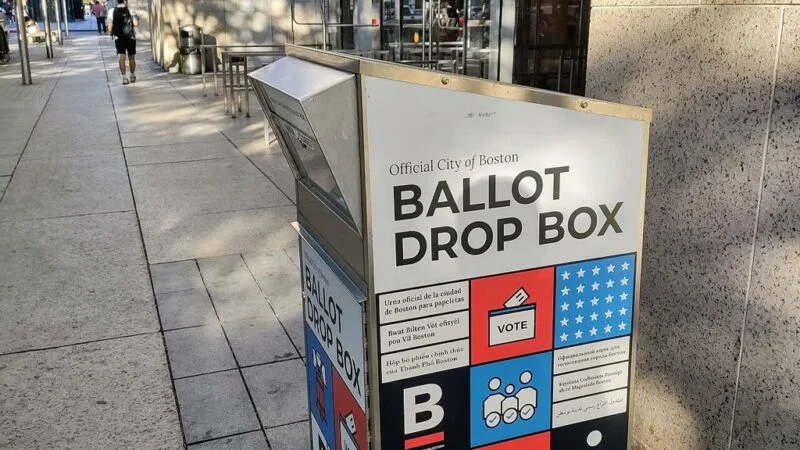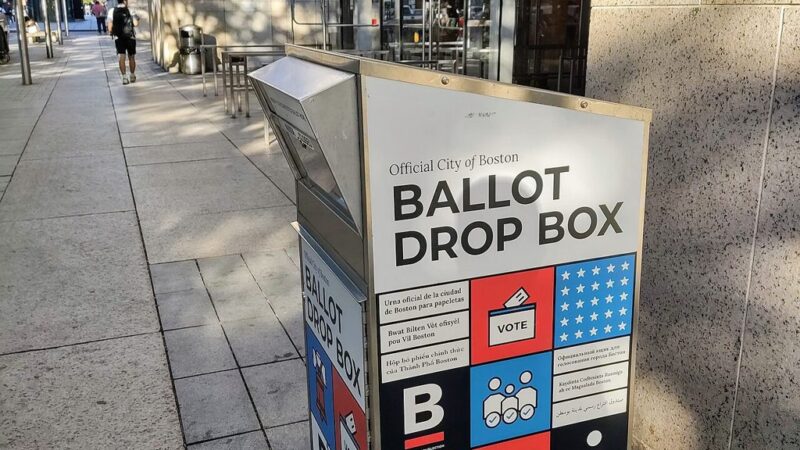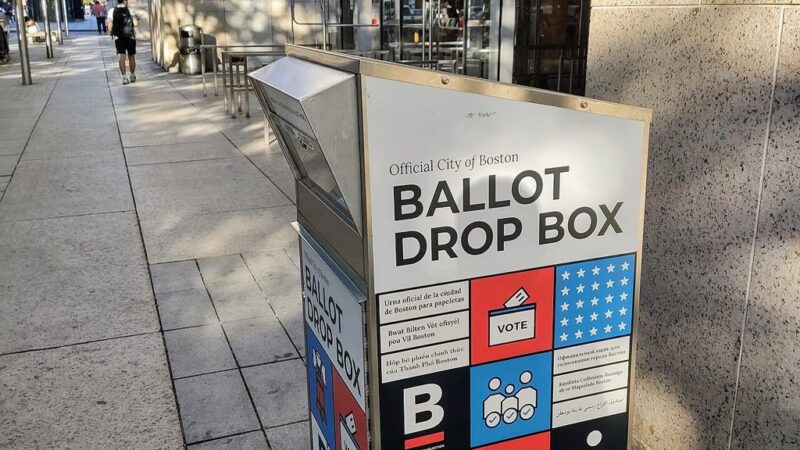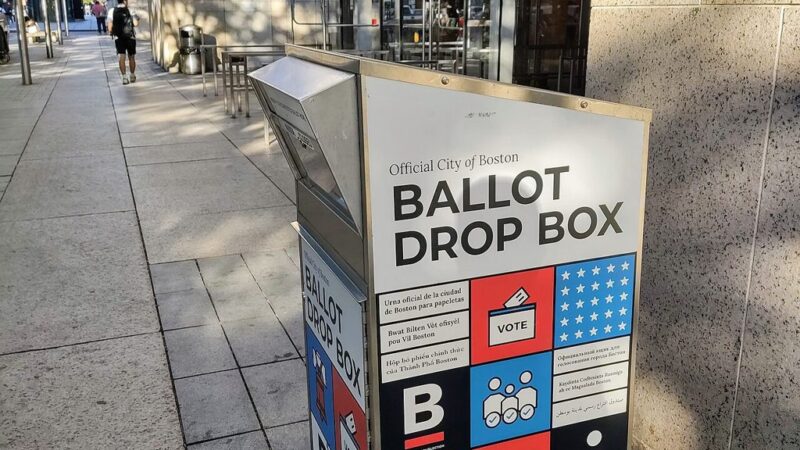
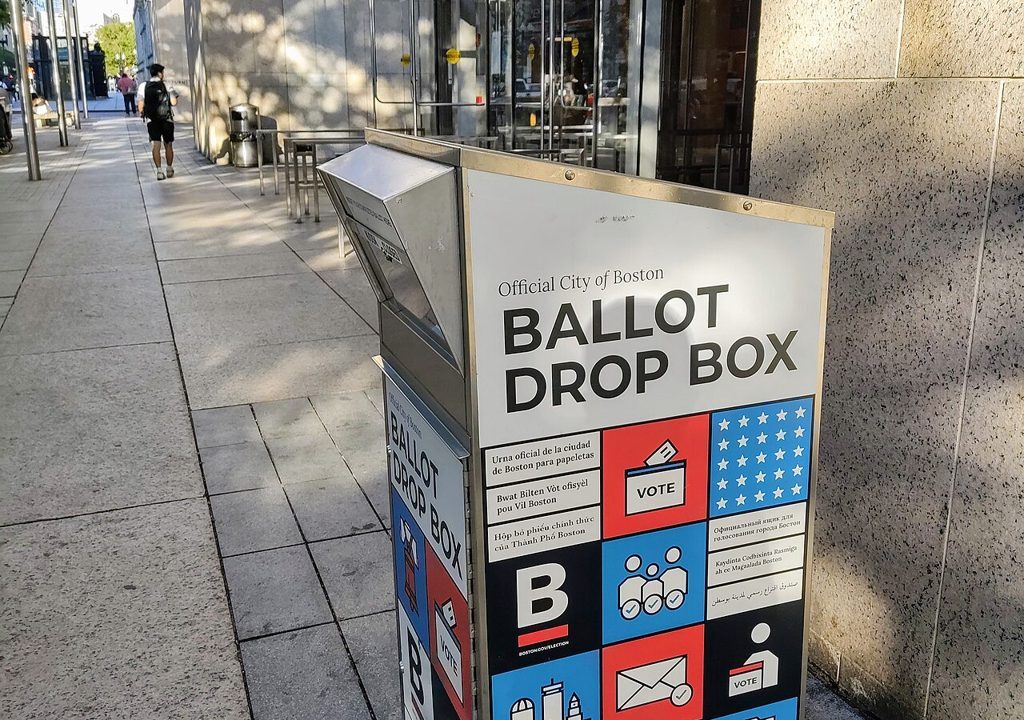
More than 30 million Americans have already voted, and the final week of the midterm campaign is now a race to reach the voters who have not. National trackers put the early voting total somewhere between about 30 million and more than 34 million, depending on which states are counted and how mail and in-person votes are combined, and the pace is running ahead of the comparable point in 2022. One tracker counted approximately 29.7 million ballots across 46 reporting states as of October 27, while another, compiled from state election offices, put the total near 27 million as of October 25, with roughly 13.7 million mail ballots and 13.1 million in-person votes. The differences reflect reporting practices, not disagreement about the direction: participation is high, and it is rising.
The state details show where that participation is coming from. Texas logged nearly 4.5 million ballots in its first seven days of early voting. North Carolina’s early total reached 1.7 million, with in-person voting up 42 percent while mail ballots fell about 34 percent. Harris County in Texas reported more than 700,000 early ballots and expanded operations, adding staff, sites and equipment. Georgia recorded 2,452,000 in-person ballots as of Tuesday afternoon, up 22 percent on the same period in 2022. In many states, early voting ends on October 30, ahead of Election Day on November 3, which means the remaining days are the last chance for voters who prefer to vote early.
Why the pace is ahead of 2022
Analysts point to a shift from mail to in-person voting, to larger counties expanding capacity, and to campaigns that have treated early voting as the main event rather than a prelude. Wisconsin reported a sharp rise in in-person absentee votes even as overall early totals sat near 2022 levels, a reminder that the national picture hides very different local stories. Some states update totals several times a day, while others report on a delayed schedule, so national counts should be treated as a moving snapshot rather than a final measure of turnout.
That snapshot also carries a warning that election experts repeat every cycle: early leads are not decisive. Reporting rules differ, party registration data does not reveal vote choice, and late or Election Day voters can change outcomes in close races. A viral headline calling the latest figures fantastic news for one party should be assessed separately from the underlying data, because high turnout can benefit either party depending on who participates, where they live and how the remaining electorate votes.
The final week is about the voters left
Reports of the surge describe a national pace above 2022 that may surpass that midterm’s early totals, and US News Zone’s account of the Texas record showed how quickly a single state can move. The final week will be decided not by the millions who have already voted, but by the millions who have not, and by whether campaigns can reach them before the polls close on November 3.