A plant in a field never faces one problem at a time, and a group of researchers led from the University of Missouri argues that plant science should stop studying problems one at a time. In a paper published in Nature Reviews Molecular Cell Biology, the team calls for experiments that expose plants to combinations of stressors, heat with drought, flooding with disease, pollution with pests, in the sequences and intensities the real world actually delivers.
The standard laboratory approach isolates a single stress in controlled conditions, which produces clean data about conditions no crop experiences. Adding different intensities, durations and sequences of multiple stressors makes experiments vastly more complicated, the authors concede, and vastly more representative.
The payoff they envision is practical: hardier crops bred and engineered against the combination of conditions that actually destroy yields, and, because stress-response biology is deeply shared across organisms, medical insights as well. They also argue that AI and modern analytics have finally made the mountains of data such experiments generate tractable.
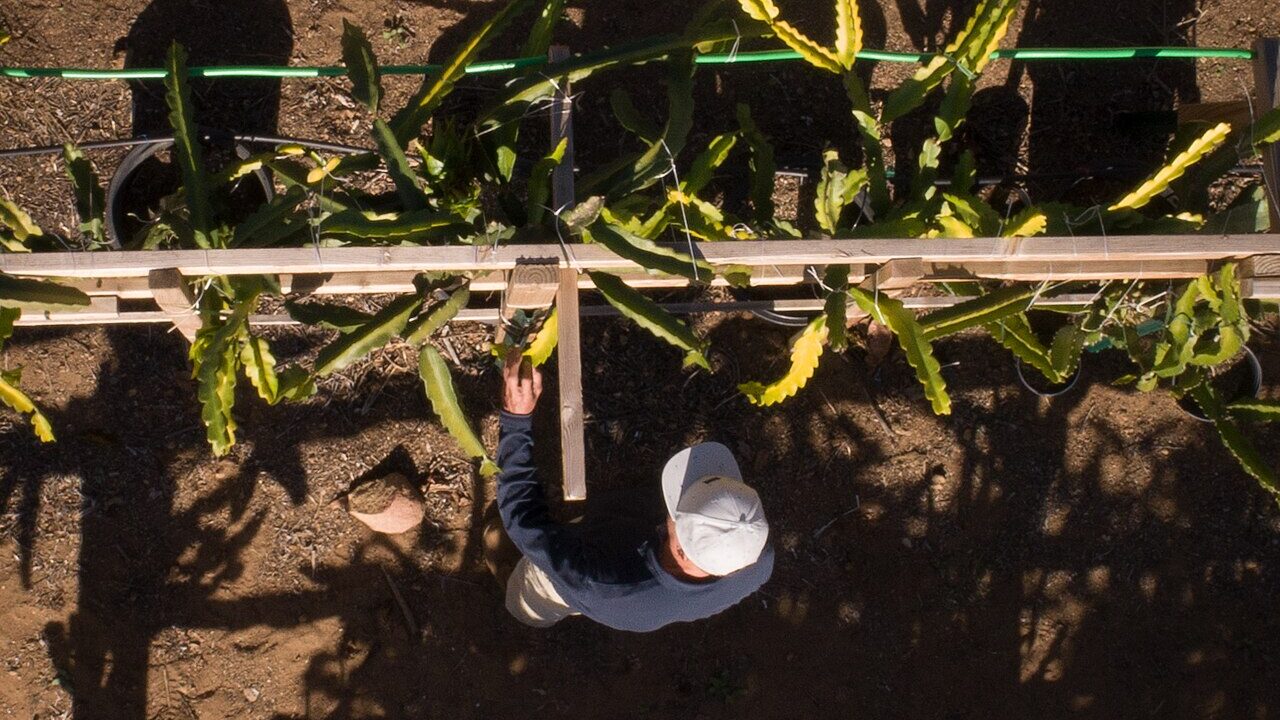
The lead researcher has been making this argument for years in papers, talks and posts, he says, and reports that more laboratories worldwide are taking it up. Collaborations with field scientists shaped the case: studying crops where they grow revealed interactions invisible in the growth chamber.
It is, at bottom, an argument about realism, arriving as climate change makes the combined-stress world the only world agriculture has. A variety that tolerates drought alone and heat alone may fail the summer that delivers both in the same fortnight, which is to say, the summers farmers now plan around.
Missouri’s argument has a funding implication its authors state plainly: combined-stress experiments are slower, messier and harder to publish cleanly than single-stress ones, so the incentive system of modern science selects against exactly the research agriculture now needs. Changing what journals and funders reward is part of the prescription, because the climate has already changed what fields deliver, and the laboratory will either study the world farmers inhabit or study a tidier one that no longer exists.
US News Zone will continue to follow this research as further findings are published.
Related reading: A Spacecraft Photographs a Complete Auroral Oval From Above the Pole · Stanford Builds Lung Organoids With Their Own Resident Immune Cells · Ancient Bat Specimens Help Scientists Read a Rare Species' Present