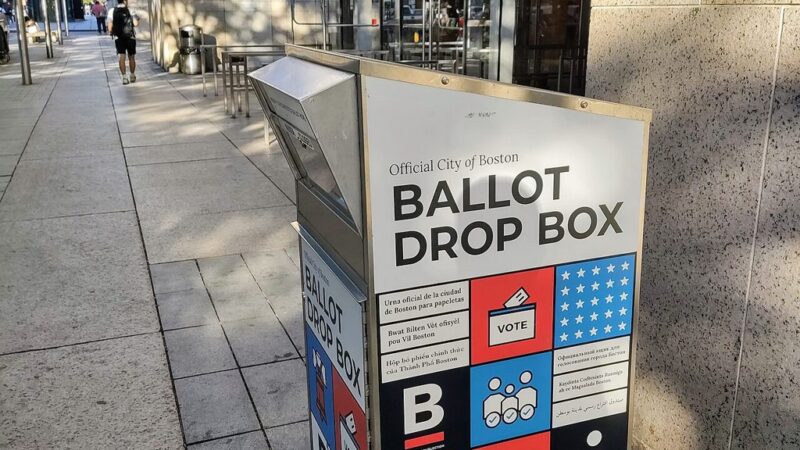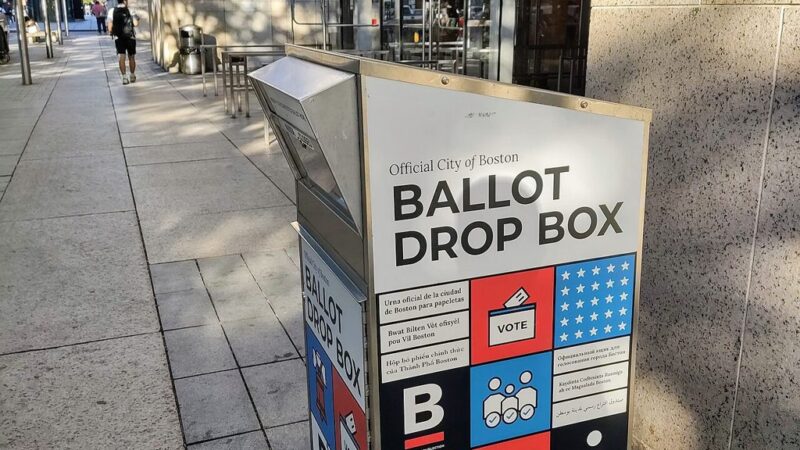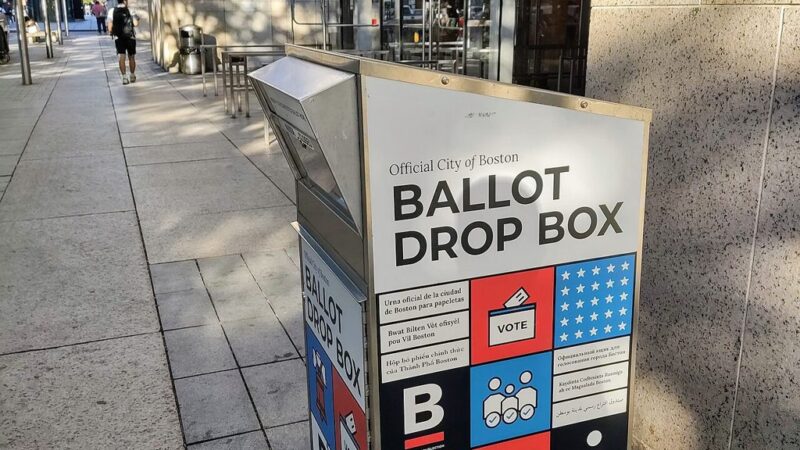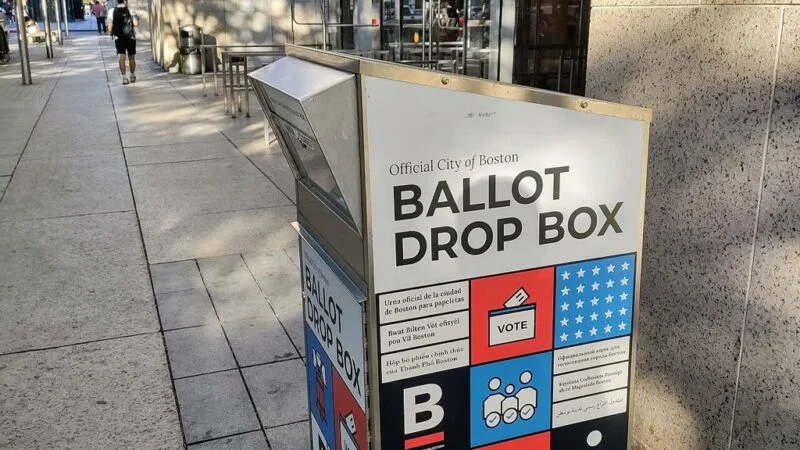
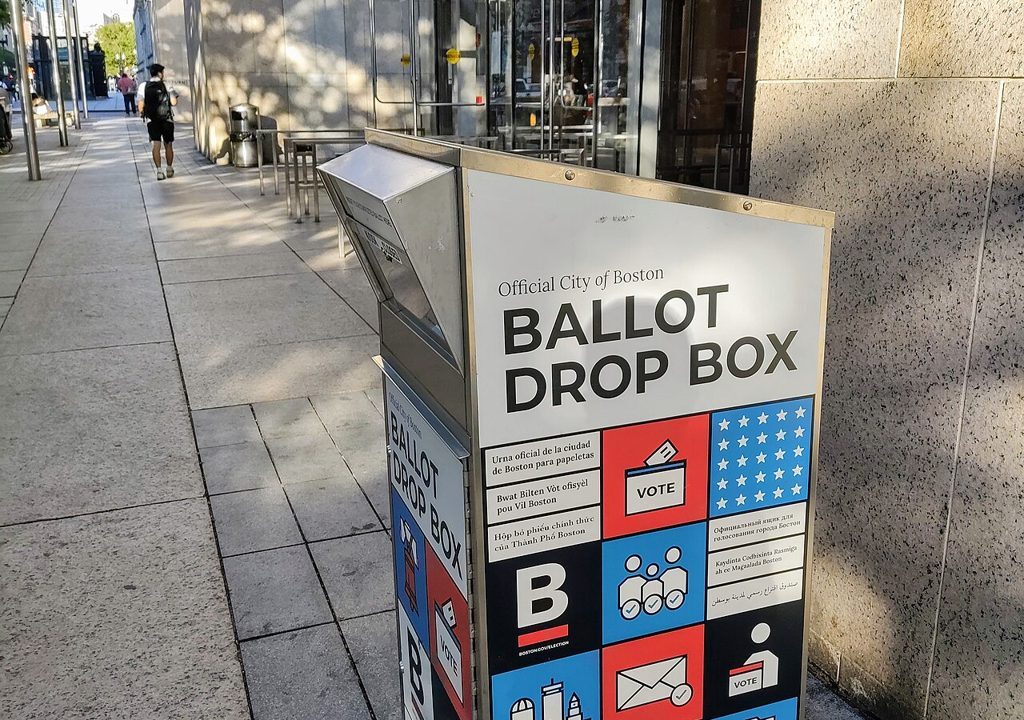
National records are made of state records, and the 2026 early voting surge is no exception. More than 49 million Americans have already cast ballots, according to University of Florida Election Lab figures reported by Reuters, passing the roughly 46 million early ballots recorded across the whole of the 2022 midterms. The national figure is the headline, but the state figures explain it, and they show a surge that is broad, uneven and concentrated in the states where control of Congress will be decided.
Texas leads in raw numbers, with more than six million early votes recorded by Wednesday, about 50 percent ahead of its 2022 pace at the same point, and more than 6.3 million reported by later in the week in some tallies, against 4.2 million at the same point in 2022. Georgia broke its state midterm record for early in person voting on Thursday, with more than 2.5 million ballots cast by Friday morning, exceeding the 2.3 million recorded during the entire early voting period in 2022, and women accounted for about 56 percent of ballots cast there by that date, against 44 percent for men. South Carolina surpassed its entire 2022 early vote total by Monday, with five days of early voting still to go, and North Carolina reported early voting up nearly 37 percent on the same point four years ago.
Why competitive states surge first
The pattern is familiar to election analysts: participation rises fastest where races are closest and campaigns spend most. Kansas, where Republican Senator Roger Marshall faces a tough re-election fight, saw advance ballots running around two thirds ahead of 2022 last week, according to the secretary of state’s office. Competitive Senate races draw national money, national attention and local mobilisation, and that mobilisation shows up first in early voting, because campaigns can bank votes before Election Day rather than hoping supporters turn out on a single Tuesday. The surge is therefore both a cause and a consequence of competitiveness: close races motivate voters, and motivated voters make races closer.
Minneapolis offers a smaller, sharper example. The city set an early voting record for a non presidential year, with 52,661 ballots accepted as of Wednesday, above the 52,313 recorded in 2018, the previous modern midterm high. A city record does not decide a Senate, but it shows the surge reaching down to municipal level, where local races and ballot measures also motivate turnout. The record early voting total passed 47.9 million by midday on October 30, already above the previous midterm record of about 45.9 million, and state records like those in Texas, Georgia and South Carolina are the components of that national total.
Records are not results
Every record in this article comes with the same warning, and it should be repeated because it is the most misread part of election reporting. Early voting data show who has voted, and in some states the party registration of those voters, but they do not show how anyone voted. In states that publish party registration, registered Democrats account for about 44 percent of early ballots, Republicans about 31 percent and unaffiliated voters about 25 percent, but party registration is not a vote, and Election Day voting historically leans differently from early voting. Analysts stress that early totals are a poor predictor of final outcomes, because a surge can reflect a shift in when people vote as much as a rise in how many vote.
What the state records do prove is engagement. Millions of Americans in Texas, Georgia, South Carolina, North Carolina and Kansas chose to vote before Election Day, in numbers that rival or exceed the most engaged midterms in living memory. Whether that engagement changes control of the House or Senate will be decided on Tuesday, November 3, when Election Day ballots join the early totals. The records set this week will be remembered either as the early sign of a wave or as a high turnout election with a conventional result, and no state total, however large, can tell us which one yet.