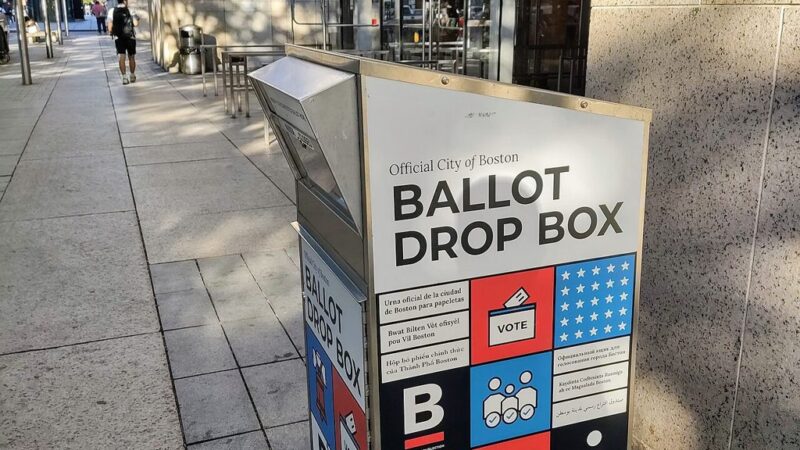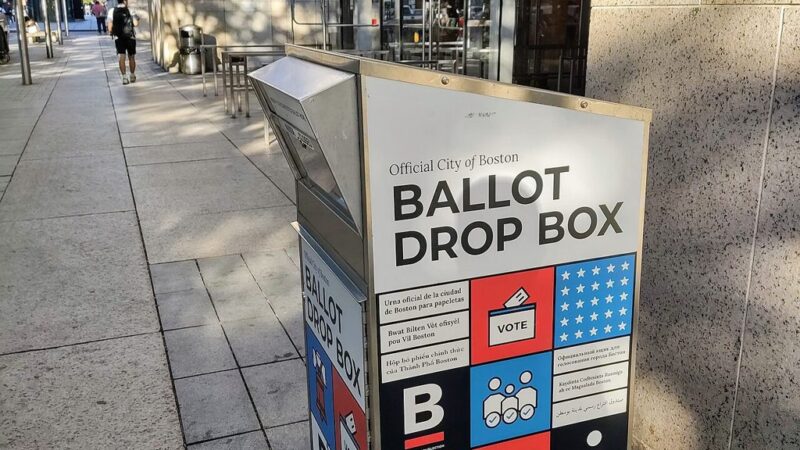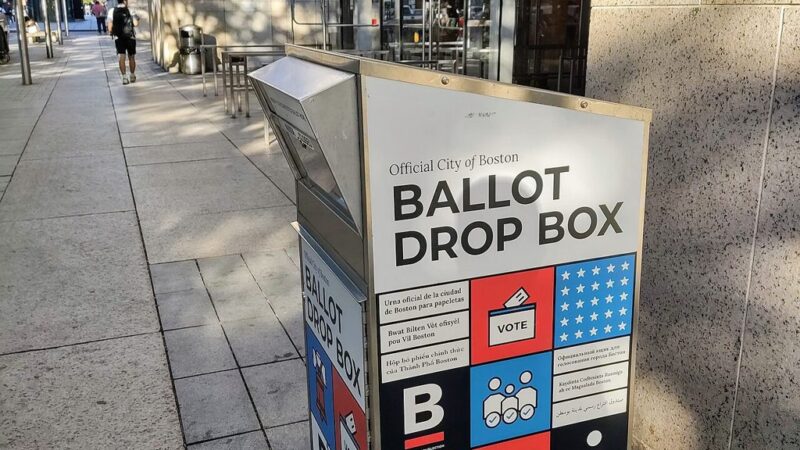
The party gap in early voting has narrowed slightly, and the warning that comes with it has not changed at all. In the states that report party registration, registered Democrats have cast 41.3 percent of early ballots and registered Republicans 32.2 percent, according to the tracker compiled from state election offices, as of October 30. The figures describe who has voted early. They do not predict who will win, and treating them as a prediction is the trap of this election, as it has been of every election since early voting became widespread.
The national early vote now stands at 42,615,145 ballots across 47 reporting states, with 20.8 million mail ballots returned and 21.8 million in person votes. The party figures cover only the 25 states that publish party registration, and they cover only ballots already cast. The 27.9 million mail ballots still outstanding could narrow or widen the gap, and Election Day voting, which historically leans differently from early voting, has not happened yet. A gap measured before Election Day is a snapshot of timing, not of outcome.
Why timing differs by party
Different groups vote at different points in the calendar for reasons that have little to do with enthusiasm. Mail voting is more common among older voters and among voters in states with established mail systems. In person early voting is more common among voters who live near early voting centres and who prefer to vote in person but not on Election Day itself. Election Day voting remains the choice of voters who decide late, who need the full campaign to make up their minds, or who simply prefer the tradition of voting on the day. Those habits differ by party, by age and by state, which is why an early gap so often closes, or reverses, once all ballots are counted.
The 2022 midterms are the cautionary example. Early voting figures in that cycle also showed a Democratic lead in party registration states, and the final results were far closer than the early gap suggested, because Republican voters turned out in larger numbers on Election Day and in the final days of early voting. The 2018 midterms, by contrast, saw early voting that more closely matched the final result, because the composition of early voters was different. The same statistic, in different years, has meant different things, which is why analysts refuse to treat it as a forecast.
What to watch instead
The figures worth watching in the final days are turnout, not party share: how many ballots are returned from the outstanding mail pile, how many voters turn out on Election Day, and how those numbers compare with 2022 and 2018 in the same states. The tracker compiled from state election offices shows the national count updating daily, and the state figures, not the national party gap, are what decide control of the House and the Senate.
By Tuesday night, the party gap will be a footnote, and the results will be the story. Until then, the honest description of 41.3 to 32.2 is the one analysts keep repeating: it is who voted early, in the states that report it, before Election Day. Nothing more, and nothing that should be mistaken for a result.