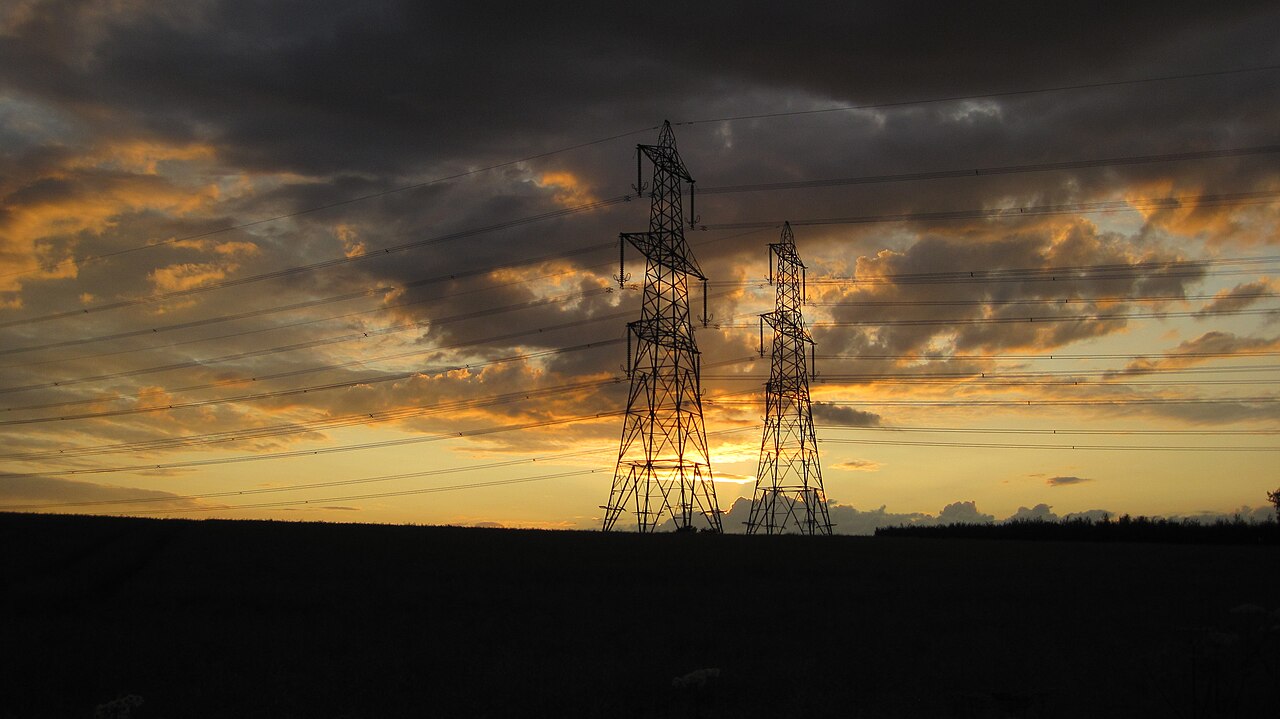
The US Department of Energy has issued an emergency order for the power grid that serves more than 65 million people, as unusually warm autumn weather and thousands of planned maintenance shutdowns push the system close to its limit. For households across 13 states and Washington DC, the order is the latest sign that electricity reliability can no longer be taken for granted.
The order, signed by Energy Secretary Chris Wright on October 12 under section 202(c) of the Federal Power Act, runs from October 13 to October 16. It directs PJM Interconnection, the largest grid operator in the United States, to dispatch specified generating units as needed and, as a last resort, to order large commercial and industrial customers onto backup generation before declaring a Level 3 energy emergency.
PJM sought the authority on October 11 after forecasting demand of about 111,500 megawatts or more on October 13, with roughly 61,591 megawatts of generation offline during the autumn maintenance season. The operator told the department it expects to sit within 900 megawatts of its reserve margin on October 14. The tightest conditions are expected in the BGE, Pepco and Dominion zones, covering Maryland, Virginia, North Carolina and the Washington metropolitan area, according to the Lansing State Journal.
What households should know
PJM has issued a Maximum Generation Alert and Load Management Alert for October 13, with a Capacity Advisory through October 14. Officials stress these are internal market signals, not instructions for residential customers: no household is being asked to cut power use. For families already keeping a close eye on strained household budgets, the bigger risk sits further ahead, because tight supply conditions feed directly into wholesale power prices that utilities eventually pass through.
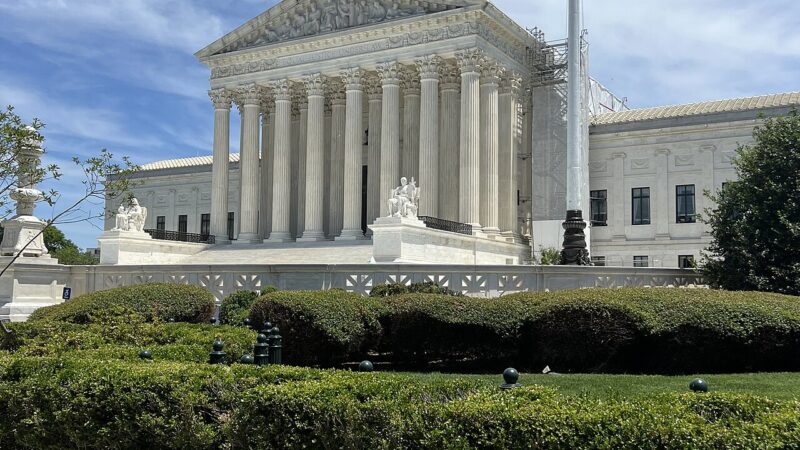
The department estimates more than 35 gigawatts of unused backup generation remain available nationwide, and similar orders were issued during the June heatwave. The order also lands amid an already noisy fight over energy accountability in Washington, where the Supreme Court has opened its term with a climate lawsuit against Big Oil. Analysts say the autumn crunch shows how the grid’s maintenance calendar and weather extremes now collide more often than in the past.
Why this keeps happening
Demand for electricity is rising as data centres and electrification grow, while much of the generation fleet is taken offline each autumn for scheduled work. October’s warm spell simply turned an ordinary maintenance window into a tight one. For households, the practical advice remains the familiar kind: keep thermostats steady, sign up for utility outage alerts, and do not panic about this week’s alerts, which are designed to keep the lights on rather than ration them.
Related reading
Sources: Lansing State Journal, tEDmag, ET Now