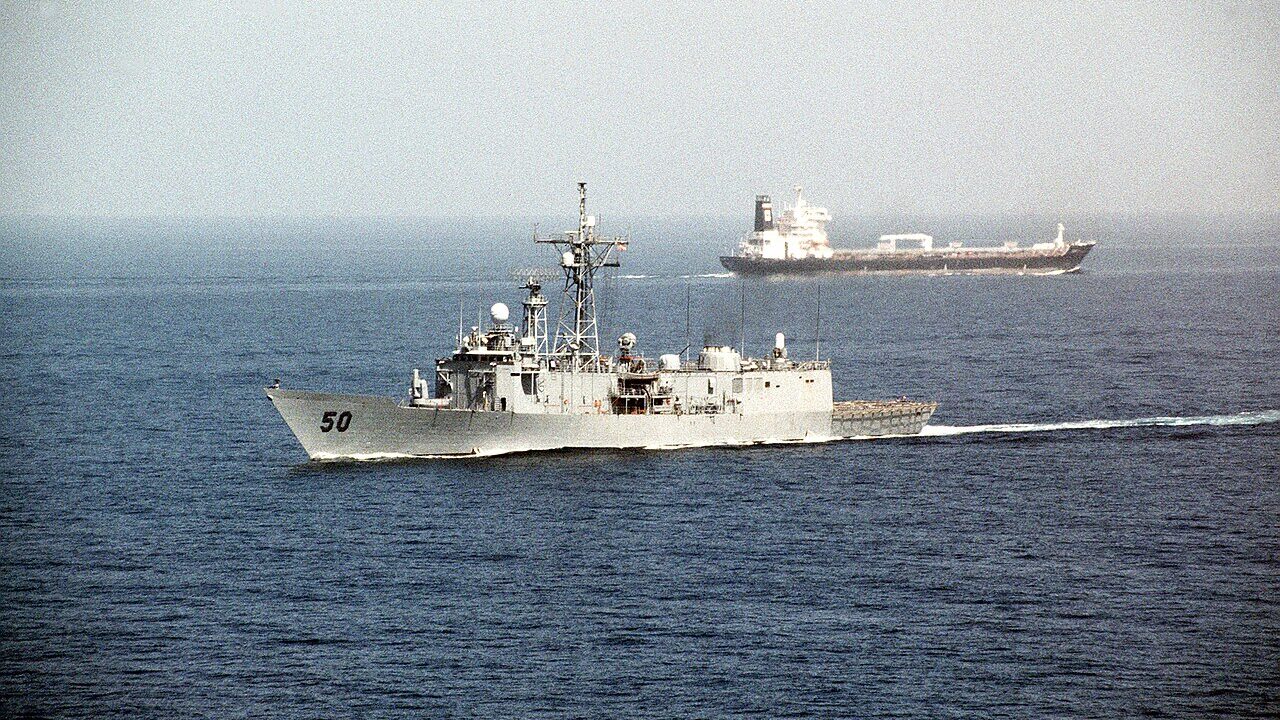
Commercial traffic is still moving through the Strait of Hormuz, American officials said this week, rejecting claims from an Iranian military command that the waterway had been closed to shipping. U.S. Central Command described the closure claim as false and said energy cargoes, including some 20 million barrels of crude oil, were transiting the strait.
Vice President JD Vance made a similar point in a television appearance, saying there was no evidence Iran had succeeded in shutting the route and citing shipping data he said showed about 16 million barrels of oil moved through the strait in a single day, a level he described as a record going back to before the conflict began.
The Iranian command had announced its intention to close the strait in response to what it described as ceasefire violations, accusing the United States and Israel of failing to honour an agreement intended to end the war. The statement, carried by Iranian state media, also cited continuing military operations in southern Lebanon involving allied armed groups.
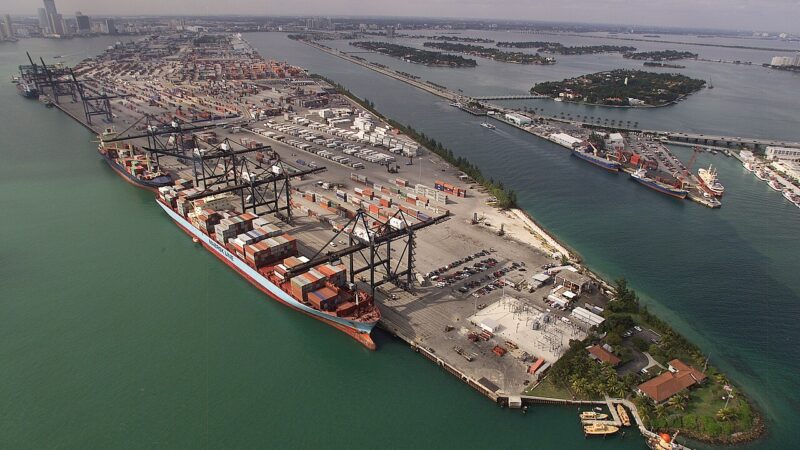
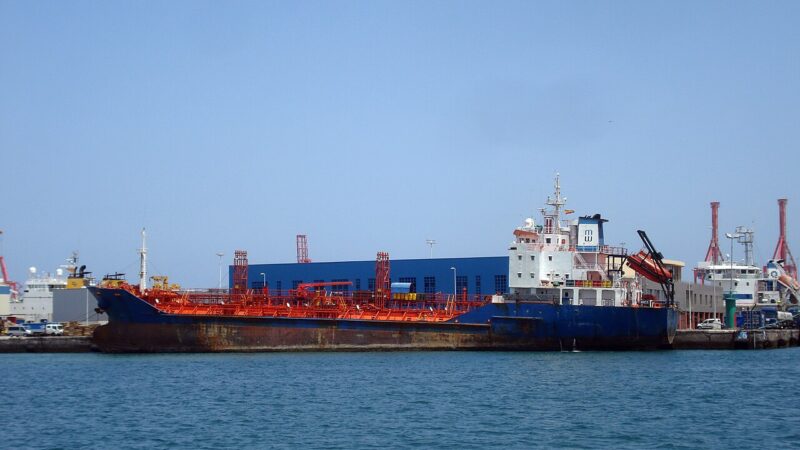
The competing claims underline how difficult the strait is to read from outside. Shipping data, insurer behaviour and oil prices often tell the story before official statements do, and this week tanker traffic and a softer oil price suggested movement rather than a full stop, even as risks for crews and vessels remained high.
Why it matters beyond the region is simple: the strait is one of the world’s most important energy chokepoints. Even a partial disruption lifts crude prices within hours, and with them the cost of fuel, freight and food in the United States. That is why every claim and counterclaim about Hormuz lands, eventually, on American forecourts and grocery shelves.
American officials said this week that keeping the strait open remains a stated priority of the administration’s regional policy, and shipping data will be the test of that commitment in the days ahead. Even a claim of closure, if believed by insurers for a single week, can lift freight costs worldwide, which is why both capitals contest the facts of the waterway as fiercely as they contest the waterway itself.
US News Zone will continue to follow this story as further official information is confirmed.
Related reading: Fresh U.S. Sanctions Target Networks and 17 Vessels Moving Iranian Oil · Tariffs Pushed U.S. Goods Prices Higher by Nearly Three Points, New York Fed Finds · U.S. Judge Widens Tariff Refund Fight as Importers Seek Their Money Back